


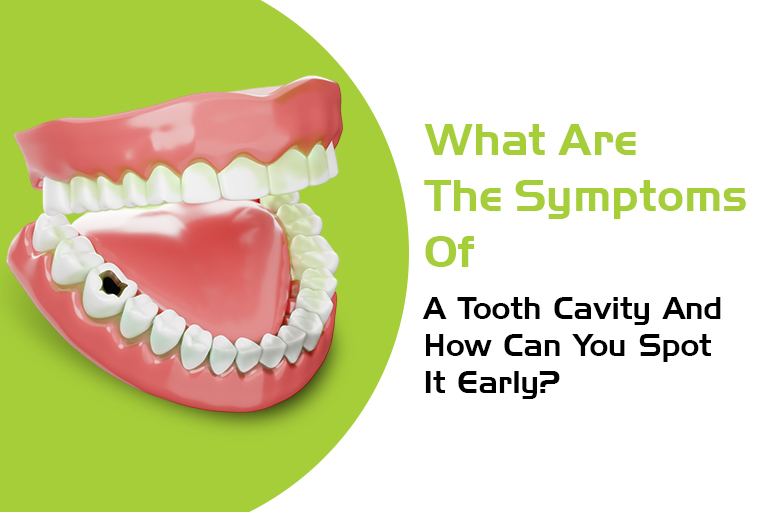
A tooth cavity does not always start with a big toothache. Sometimes it begins as quick sensitivity, a rough patch you keep touching with your tongue, or food getting stuck in the same place again and again. That is why cavities are easy to miss. And once you notice it, the next worry is obvious. Will ita get deeper and turn into a root canal?
Here is the clear answer. Tooth cavity symptoms often show up early as sensitivity, small spots, or mild chewing discomfort. You can spot clues at home, but only a dental check confirms how deep the cavity is and what treatment is truly needed. When you act early, tooth cavity treatments are usually simple.
If you are searching for a dentist near me or a trusted dental clinic in Bangalore, Credence Dental in RR Nagar helps you get a clear diagnosis and a safe treatment plan. Our team of 9+ dentists offers 30+ dental services with advanced technology for comfortable care.
Read on to catch cavities early and avoid bigger treatment.
What Are The Most Common Tooth Cavity Symptoms You Should Not Ignore?
Most tooth cavity symptoms start small. They get worse only when decay reaches deeper layers of the tooth.
What Are The Early Tooth Cavity Symptoms?
- You feel a quick sting with cold water, sweets, or cold air, and it settles fast.
- You notice a rough patch that your tongue keeps finding.
- You feel food getting stuck in the same corner again and again.
- You feel mild pain only when you chew on one side.
- You notice a white patch or a light brown spot that was not there before.
What Are The Later Tooth Cavity Symptoms That Need Quick Care?
- You feel tooth pain that lasts and keeps returning.
- You feel pain at night or pain that wakes you up.
- You see a dark spot or a visible hole that looks bigger over time.
- You notice a bad taste that seems to come from one tooth area.
- You notice swelling near the gum around a tooth.
| Early Signs of Cavity | Later Signs of Cavity |
|---|---|
| Sensitivity that settles quickly. | Pain that lasts or returns often. |
| Rough patch or small spot. | Visible hole or spreading dark area. |
| Food traps in one spot. | Pain on chewing or pain at night. |
| Mild discomfort sometimes. | Swelling or bad taste near one tooth. |
What Are The Most Common Tooth Cavity Causes In Daily Life?
Most tooth cavity causes come down to two things. Plaque stays on the tooth, and sugar feeds it often.
Which Habits Increase Cavity Risk The Most?
- You snack often through the day, especially on biscuits, sweets, or sticky foods.
- You sip tea, coffee, or soft drinks many times a day, especially with sugar.
- You brush fast and miss back teeth or the gum line area.
- You skip cleaning between teeth where food gets stuck.
- You eat sweets at night and sleep without brushing.
Which Mouth Factors Increase Cavity Risk Even If You Brush?
- You have a dry mouth from mouth breathing, low water intake, or medicines.
- You have crowded teeth that trap food easily.
- You have an old filling with a small gap around the edge.
- You have had cavities before, so your risk stays higher.
- You have gum recession and the sensitive area gets exposed.
How Can You Spot A Tooth Cavity Early At Home Without Guessing?
You can notice warning signs at home. You just cannot confirm cavity depth without a check.
What Can You Check In The Mirror?
- Look for a chalky white patch that does not brush away.
- Look for brown or black dots on the grooves of back teeth.
- Look for a dark shadow close to the gum line on one tooth.
- Look for a small pit or tiny hole on the chewing surface.
What Does It Feel Like When A Cavity Is Starting?
- It feels like quick sensitivity that comes and goes.
- It feels like one tooth catches food more than others.
- It feels like a rough edge when you run your tongue on it.
Many people wait for strong pain. The problem is, cavities can stay quiet until they get deep.
When Should You See A Dentist Near Me For Tooth Cavity Symptoms?
You should see a dentist near me when symptoms repeat, pain lasts, or you can point to one tooth as the main source.
What Are The Red Flags That Need A Dental Visit?
- Pain stays for more than two to three days.
- Chewing triggers pain in the same tooth every time.
- You see swelling near the gums or face on one side.
- You have fever along with tooth pain or gum swelling.
- You notice a bad taste that keeps returning.
- A filling feels loose, or a tooth edge has chipped.
Why Early Dental Visits Save Time And Money?
- A small cavity often needs a simple filling.
- A deeper cavity can need a larger restoration.
- A very deep cavity can need a root canal and crown.
- Delaying care can increase cost and reduce chances of saving the tooth.
What Are The Best Tooth Cavity Treatments Based On How Deep The Decay Is?
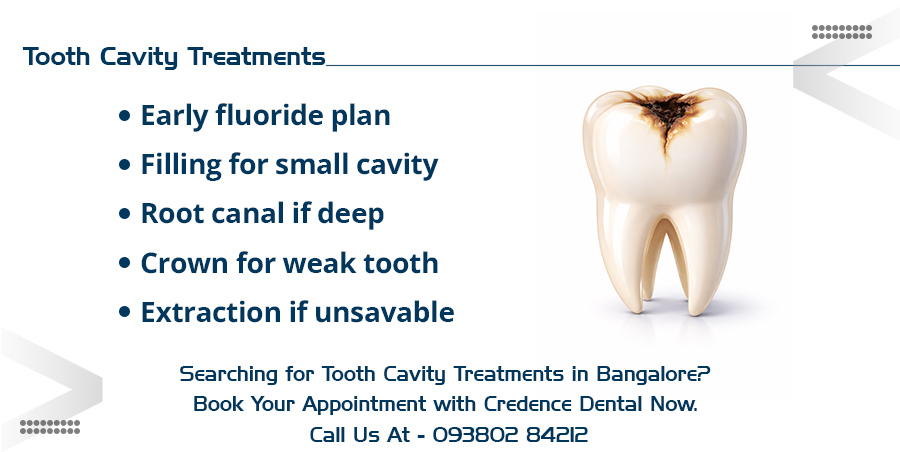
The right tooth cavity treatments depend on how deep the decay has reached.
What Treatments Are Used For Early Cavities?
- Your dentist may suggest fluoride support if the damage is still very early.
- Your dentist may suggest a small tooth coloured filling if a hole has started.
What Treatments Are Used For Medium To Deep Cavities?
- Your dentist may place a stronger filling if more tooth structure is involved.
- Your dentist may plan extra protection if the tooth is weak and may crack.
What Treatments Are Used When Decay Reaches The Nerve?
- Root canal treatment is used to remove infection and save the tooth.
- A crown is usually placed after root canal to protect the tooth.
- Extraction is considered only if the tooth cannot be saved safely.
| Cavity Stage | Common Treatment |
|---|---|
| Very early damage | Fluoride plan or monitoring, if suitable. |
| Small cavity | Tooth coloured filling. |
| Deep cavity | Root canal, then crown. |
| Tooth cannot be saved | Extraction and replacement planning. |
How Do Dentists In Bangalore Confirm A Cavity And Plan Treatment?
A dentist in Bangalore checks your tooth surface, the gum line, and the contact points between teeth, then confirms depth when needed.
What Happens In A Typical Cavity Check?
- You share what you feel and what triggers it.
- The dentist examines your teeth and gums closely.
- The dentist checks old fillings for gaps and weak edges.
- An X ray may be advised if depth is unclear or decay is hidden.
- You get a clear plan with the right next step.
What Questions Should You Ask Before Starting Treatment?
- How deep is the cavity and how close is it to the nerve?
- Is a filling enough or do I need deeper treatment?
- How many visits will it take?
- What is included in the cost estimate?
How Can You Prevent Tooth Cavities From Coming Back After Treatment?
Cavities come back when the cause is still there. Prevention is about small habits done consistently.
What Daily Habits Help Most?
- Brush twice a day with a soft brush and take time on back teeth.
- Clean between teeth once a day if food often gets stuck.
- Reduce frequent sugar, even if your total sugar feels low.
- Rinse with water after snacks when you cannot brush.
- Avoid brushing too hard, because it can wear the tooth surface.
How Often Should You Get Checked?
- Regular checks help catch early problems before pain starts.
- If you get cavities often, you may need earlier reviews.
Where Can You Get Tooth Cavity Treatments In Bangalore If You Need A Quick Check?
If you want quick clarity, choose a dental clinic ags-layout in that focuses on diagnosis first and explains the plan clearly.
What To Look For In The Best Dental Hospital In Bangalore Or A Good Clinic?
- The dentist confirms the cause before starting treatment.
- The dentist explains options without confusing terms.
- The clinic discusses costs before treatment begins.
- The clinic supports follow ups if sensitivity stays.
Conclusion
Tooth cavity symptoms often start as small signs, so early action helps you avoid bigger pain and bigger treatment. Most tooth cavity causes are linked to plaque buildup, frequent sugar, dry mouth, and missed cleaning areas. The right tooth cavity treatments depend on how deep the decay is, so a check is the safest step.
If you are searching for a dentist near me in Bengaluru, you can visit Credence Dental in RR Nagar for a clear cavity check and a practical treatment plan. Book your appointment early if sensitivity repeats, food keeps trapping, or pain stays in one tooth, so the problem is treated before it turns bigger.
Call or WhatsApp +91 91411 60212 or +91 93802 84212 to schedule your appointment now.
FAQs
Can A Tooth Cavity Heal On Its Own?
A cavity cannot heal once a hole forms. Very early damage may be managed with fluoride and habit changes, but it still needs a dentist to confirm.
What Are The Earliest Signs Of Tooth Decay?
Early signs include quick sensitivity, a rough patch, and food trapping in one spot. A white patch or small brown dot can also be an early sign.
Does Tooth Sensitivity Always Mean A Cavity?
Not always. Sensitivity can also come from enamel wear or gum recession. A check is the safest way to confirm the cause.
How Long Can I Wait Before Treating A Cavity?
Waiting can allow decay to go deeper and increase treatment needs. If symptoms repeat or worsen, book a visit soon.
Is A Filling Painful?
Most fillings are done after numbing, so you should not feel pain during the procedure. Mild sensitivity afterward can happen and often settles.
How Do I Prevent Cavities After A Filling?
Brush twice daily, clean between teeth, and reduce frequent sugar. Regular checks help catch early spots before they become cavities.