

The importance of oral hygiene goes far beyond clean teeth because the right routine protects gums, prevents cavities, lowers infection risk and supports overall wellness. Bleeding gums, yellow stains, bad breath, tooth sensitivity and fear of losing smile confidence begin with poor daily oral care.
Credence Dental in RR Nagar, Bangalore helps patients build healthier habits through 15+ years of experience, 9+ expert dentists and 30+ dental services under one roof. This blog is written by an expert dentist from Credence Dental to help you understand how maintaining good oral hygiene supports your smile, heart health, diabetes control and long term savings.
You will learn the daily routine that works, the body wide impact of gum disease and the right time to seek professional care. Keep reading because a radiant smile starts with small habits you follow every day, not rushed last minute dental treatments later.
Why Your Oral Health Determines More Than Just Your Smile?
The importance of oral hygiene lies in preventing cavities, gum disease, tooth loss and systemic health risks linked with oral bacteria.
Good oral health maintenance starts with plaque removal. Plaque is a sticky layer of bacteria that forms on teeth every day. If you do not remove it well, it can harden into tartar and irritate the gums.
Poor gum health can allow bacteria to enter the bloodstream through inflamed or bleeding gums. This can increase disease prevention concerns beyond the mouth. Studies link gum disease with a 2 to 3 times higher risk of heart disease and stroke.
Daily brushing, flossing, tongue cleaning and 6 month dental checkups support overall wellness. These habits help keep your smile clean, your gums stronger and your long term health better.
Credence Dental offers family dental care, cosmetic dentistry, implants, gum care, orthodontics, root canal treatment and preventive services in RR Nagar.
What Poor Oral Hygiene Does to Your Body Beyond Your Mouth?
Poor oral hygiene can affect your heart, blood sugar, immunity, digestion, comfort and confidence in daily life.
The mouth carries many bacteria. When plaque stays stuck near the gums, the gums can swell and bleed. This gives bacteria a path into the bloodstream and can trigger inflammation in other parts of the body.
The Heart Disease and Stroke Connection
Oral Hygiene for a Healthy Life matters because gum infection can raise inflammation and add strain to blood vessels.
When gum disease causes bleeding, oral bacteria can enter the bloodstream. These bacteria may attach to blood vessel walls and support plaque buildup, also called atherosclerosis.
This process can increase cardiovascular disease risk. Research links periodontitis with a 2 to 3 times higher heart attack risk and nearly 2 times higher stroke risk. Gum inflammation can also raise C reactive protein, a marker doctors used to measure risk of heart disease.
Clean gums reduce bacterial load. They also help protect systemic health.
The Two Way Relationship with diabetes
Diabetes and gum disease can make each other worse, so daily oral care becomes even more important for blood sugar control.
High blood sugar weakens the immune response and slows gum healing. This allows gum infection to spread faster. At the same time, gum disease increases inflammation in the body. This can interfere with insulin response and make diabetes harder to manage.
People with diabetes and periodontitis may face a much higher risk of worsening blood sugar control.
Good oral hygiene supports healthier gums. Healthier gums can make diabetes care easier to manage alongside medical treatment.
The Complete Daily Oral Hygiene Routine That Actually Works
A dental clinic in Rajarajeshwari Nagar can guide you based on your gum type, cavity risk, tooth alignment and food habits.
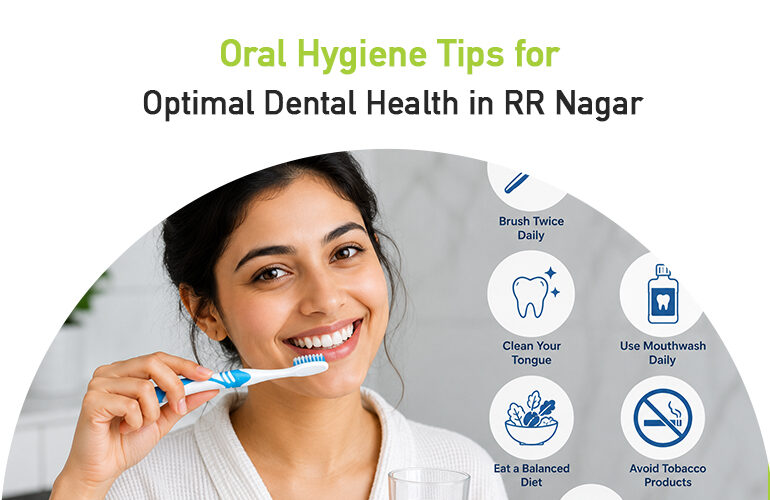
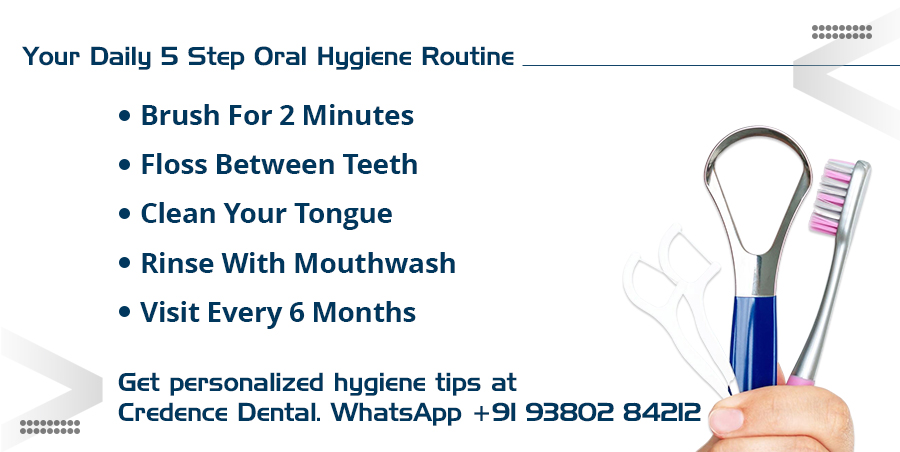
- Brush twice daily for 2 minutes.
- Use a soft bristled brush.
- Hold the brush at a 45 degree angle to the gum line.
- Move the brush in small circles.
- Avoid hard back and forth scrubbing.
- Use fluoride toothpaste with around 1000 ppm fluoride.
- Floss once daily with a C shape method around each tooth.
- Clean your tongue with a scraper once daily.
- Replace your toothbrush every 3 months.
A tongue scraper removes more odor causing bacteria than brushing the tongue alone. Flossing also matters because a toothbrush reaches only about 60 percent of tooth surfaces.
The Long Term Cost Savings of Preventive Oral Care
Preventive care costs far less than fillings, root canals, crowns, implants or dentures needed after long term neglect.
A trusted dental hospital in Bangalore helps you avoid developing consequences which require extensive treatment later on by identifying and addressing problems early on.
| Preventive Care Annual Cost | Treatment Costs When Neglected |
| Toothbrush, toothpaste and floss may cost ₹500 to ₹1,000 yearly | Fillings can cost ₹1,500 to ₹5,000 per tooth |
| Two checkups may cost ₹500 to ₹3,000 each | Root canal treatment can cost ₹8,000 to ₹15,000 |
| Total preventive care may cost ₹4,000 to ₹7,000 yearly | Crowns can add ₹8,000 to ₹25,000 per tooth |
| Cleaning helps prevent gum disease | Gum treatment can cost much more in advanced stages |
| Good hygiene protects natural teeth | Implants can cost ₹40,000 to ₹1,50,000 |
Preventive care acts like a long term investment. It can extend the life of your natural teeth by 20 to 30 years and reduce denture dependency later in life.
Get Expert Oral Hygiene Guidance at Credence Dental Bangalore
Good oral hygiene protects your teeth from cavities, stains, bad breath, gum disease, weak enamel and avoidable tooth loss. Credence Dental supports this with preventive dentistry, oral health screening, scaling, polishing, gum care, cavity protection, child dental care and smile improvement treatments. The clinic also offers digital diagnosis, gentle chairside guidance, strict sterilisation, clear treatment planning, follow up support and easy appointment access in RR Nagar and Rajarajeshwari Nagar.
Worried about bleeding gums or dull teeth? Get expert oral hygiene care at Credence Dental. Call +91 93802 84212 today for your dental appointment.
FAQs
Can poor oral hygiene cause bad taste in the mouth?
Yes, bacteria on the tongue, gums and teeth can cause a bad taste. A dental checkup helps find the exact cause.
Is mouthwash enough if I skip flossing?
No, mouthwash cannot remove food stuck between teeth. Flossing cleans tight spaces where decay often starts.
How often should I change my toothbrush?
Change your toothbrush every 3 months. Replace it sooner if the bristles bend or after recovering from a cold/ throat infection.
Can oral hygiene improve smile brightness naturally?
Yes, regular brushing and cleaning reduce surface stains. A dentist can guide you if stains need professional whitening.
When should I visit a dentist for bad breath?
Visit a dentist if bad breath stays for more than 2 weeks. It may point to gum disease, cavities or dry mouth.